
When gravity isn't enough.
Most plumbing works because waste flows downhill. But basements, daylight basement apartments, low lying additions, and below grade fixtures need a pump to move waste up to where gravity can take over. That's an ejection pump. Septic systems often need pumps too, to move effluent uphill from the tank to a higher drain field, or to pressurize a drip distribution system. We install, replace, and service them all.
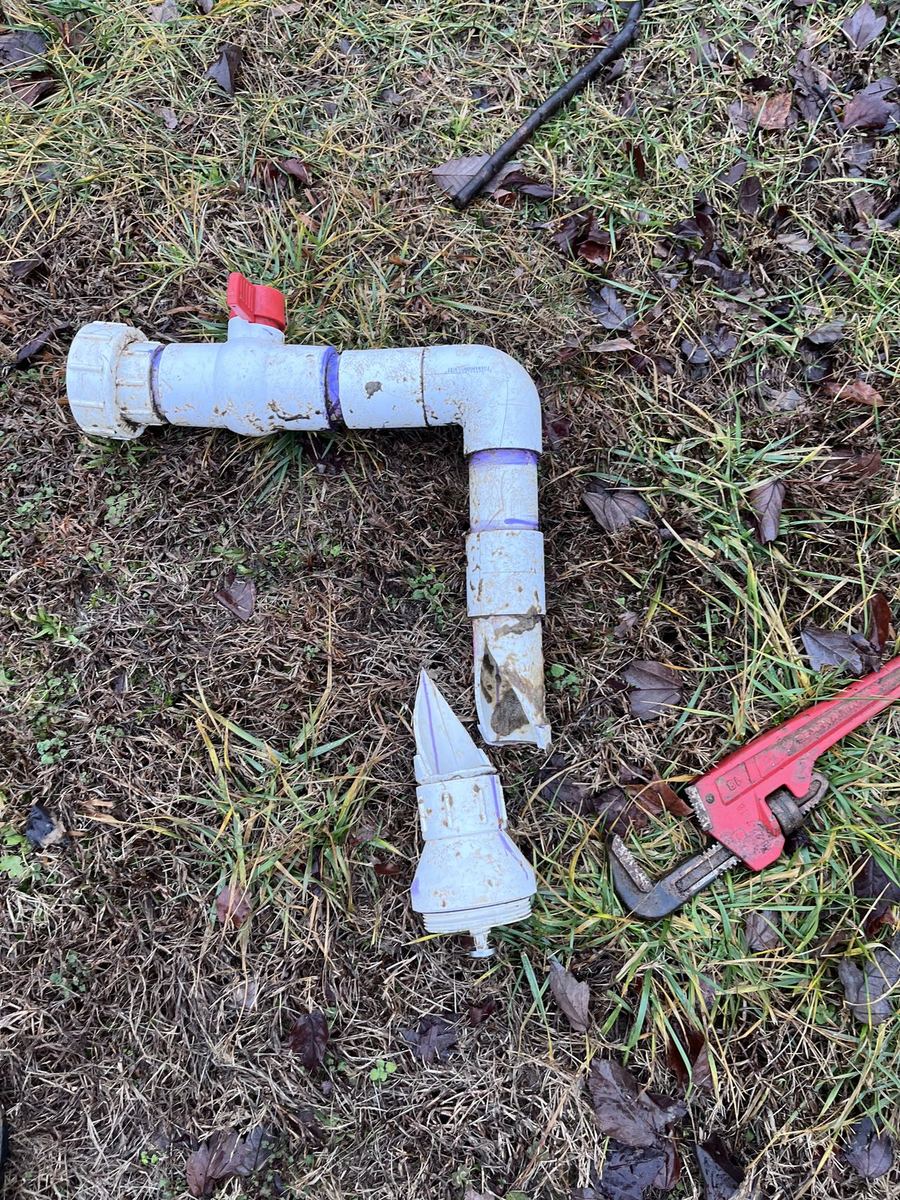
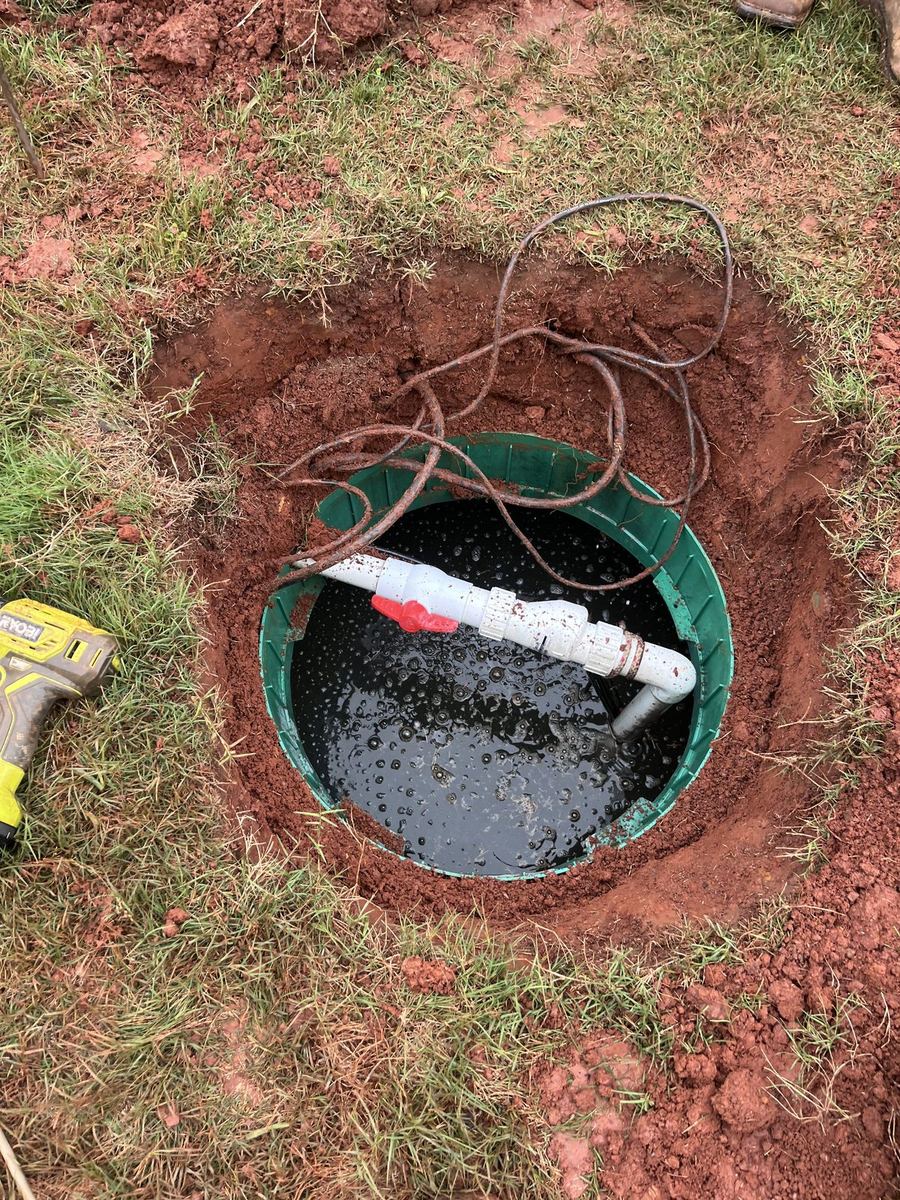
Sewage ejection pumps
An ejection pump sits in a sealed basin (the "ejector pit") below the lowest fixture in the basement. Waste from basement toilets, showers, and laundry flows into the pit. When the level rises, a float switch activates the pump, which sends waste up to the home's main drain line.
Common scenarios.
- Finished basements with full bathrooms, basements below the main sewer line need an ejection pump
- Daylight basements with kitchens or laundries, fixtures below grade need ejection
- Mother in law suites and basement apartments, same plumbing situation as any below grade living space
- Workshops and outbuildings, where waste lines run below the receiving sewer
Septic effluent pumps
Used in pressure dose septic systems and pressurized drip distribution. The pump moves effluent from the septic tank or a separate dose tank to the drain field. Common where.
- The drain field is uphill from the tank
- The system uses drip distribution that requires constant pressure
- The drain field uses a low pressure pipe (LPP) design
- Soil percolation requires timed dosing rather than continuous gravity flow
Signs your ejection or septic pump is failing
- Alarm sounding, high water alarm on the pump basin or control panel
- Backups in basement fixtures, basement toilet won't flush, or sewage rising in shower drain
- Pump running constantly. Usually indicates a stuck open float switch or failed check valve
- Pump not running at all, often a tripped breaker, failed motor, or stuck float
- Sewage odor in basement, basin seal failure or vent issue
- Frequent breaker trips, failing motor drawing high amperage
Common brands we install and service
- Liberty Pumps
- Zoeller
- Goulds
- Hydromatic
- Myers
- Barnes
- Little Giant
- E-One grinder pumps
Installation and replacement
A typical residential ejection pump replacement runs 2 to 4 hours and includes.
- Removal of failed pump and any failed switches or check valves
- Cleaning of the basin if needed
- Installation of replacement pump matched to the application
- New check valve and union fittings
- Float switch verification or replacement
- Test cycle to verify operation
- Removal and disposal of the old equipment
Battery backup options
For finished basements and critical applications, we install battery backup systems that activate the pump during power outages, important because Georgia thunderstorms cause outages and a basement with no working ejection pump backs up fast.
Pricing
Pump replacement cost depends on pump type, application, and any related repairs. Diagnostic visits are quick and the cost is typically credited toward repair work. Call or request a quote for pricing on your specific situation. Request a quote or call dispatch.
Related services
For larger pump installations, see lift station service. For septic system repairs that include pump work, see septic repairs.