
Specialty systems, specialty knowledge.
Alternative systems exist because not every site can take a normal gravity drain field. Tight lots. Slow draining soil. High water tables. Shallow bedrock. Land close to water. These all push designs into ATU, Eljen, drip, or mound territory. These systems work well when installed and serviced correctly. They fail spectacularly when they aren't. We install and service all of them.
Aerobic Treatment Units (ATUs)
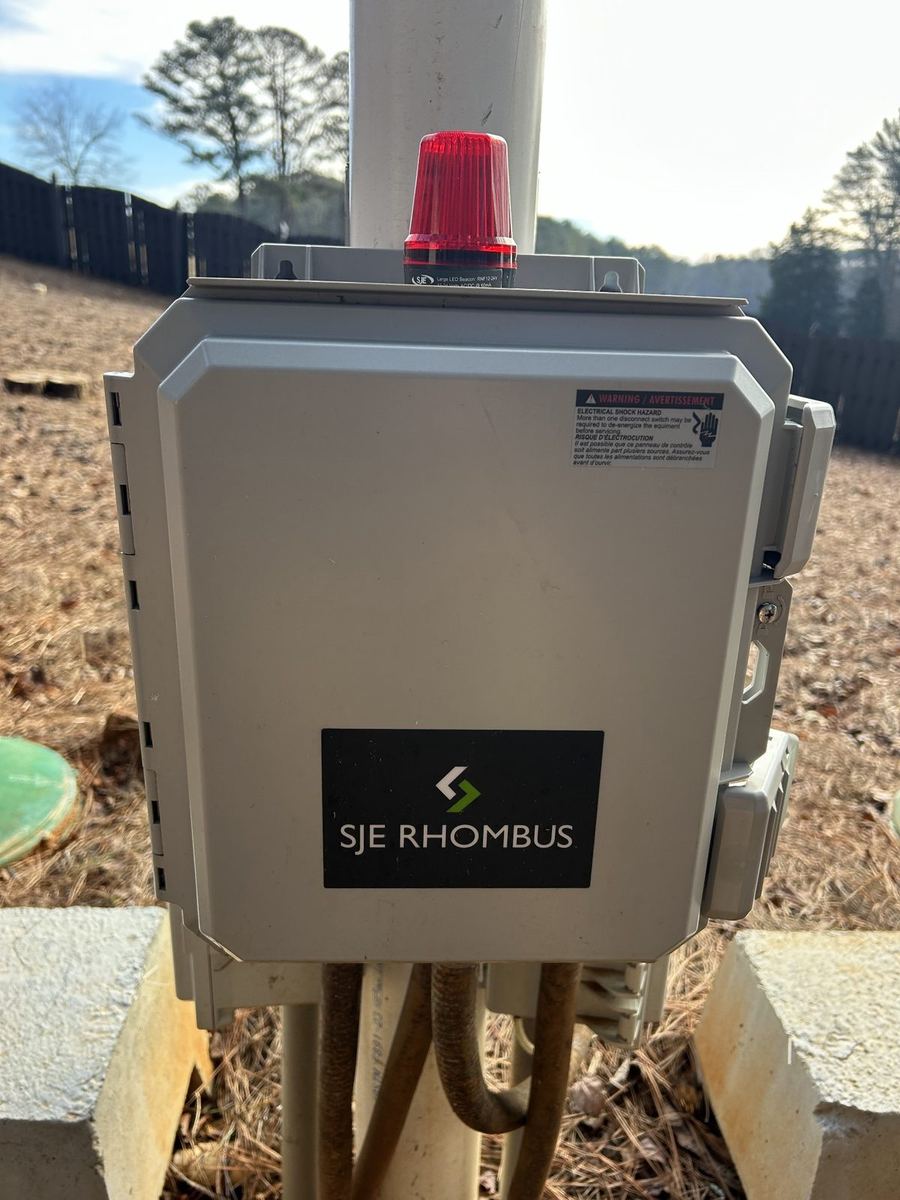
ATU systems use forced aeration to accelerate biological treatment of waste before it reaches the drain field. Water leaves the unit much cleaner than it would from a normal septic tank. That allows a smaller drain field, and it makes septic work on sites that would not pass otherwise.
Brands we install and service.
- Norweco Singulair. One of the most common ATU brands in the southeast, with multiple model generations
- Hoot Aerobic Systems
- Jet Inc.
- Delta ECOPOD & Whitewater
- Anua / Bioclere
- Aquasafe and other regional brands
ATU systems require ongoing maintenance. Most counties mandate a service contract. We run the service visits and send the paperwork to your county health department.
Eljen GSF Systems
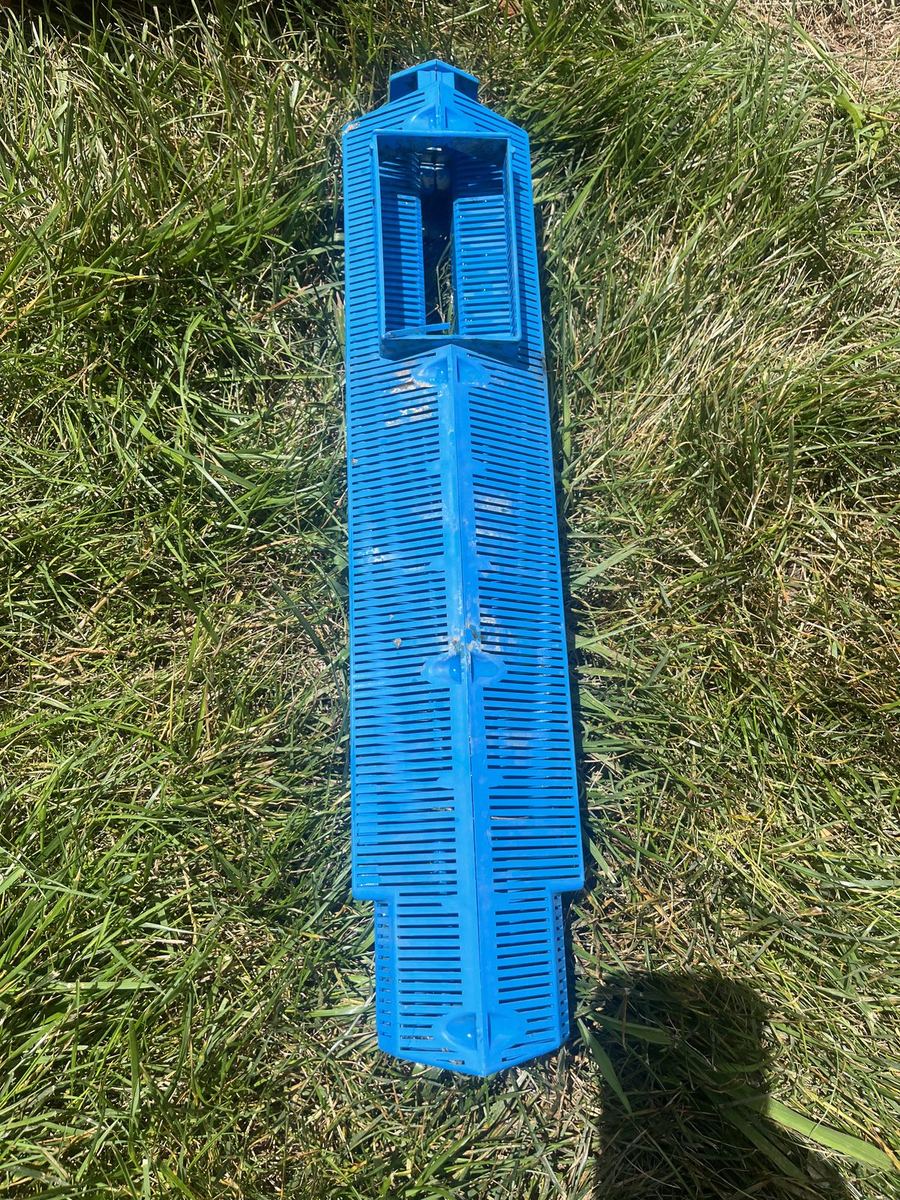
Eljen Geotextile Sand Filter systems use modules that treat the water and spread it out in one piece of kit. Set against a normal gravel and pipe field, Eljen needs less land and copes better with poor soil. It also resists the biomat clogging that kills a field over time. We install and service Eljen systems throughout north Georgia.
Drip distribution systems
Drip systems disperse effluent through pressurized small diameter tubing buried just below the surface. This allows wastewater treatment on sites with shallow soil, steep slopes, or where surface preservation matters (manicured landscapes, athletic fields, golf courses). Drip systems have more moving parts than conventional systems but offer flexibility no other technology can match.
Mound systems
Mound systems build the drain field up above original grade using imported sand fill. Used where the natural soil is too shallow, too wet, or too tight to support a conventional in ground field. More expensive than conventional systems but often the only option for sites that wouldn't otherwise qualify for any septic at all.
E-One pressure dose systems
For sites where gravity flow isn't possible, uphill drain fields, basement plumbing, low lying lots. A pressure dose system uses a pump in a separate chamber to push effluent uphill to the drain field. Common in lake area properties and basement occupied homes.
Why alternative systems fail (and how we prevent it)
- Lack of maintenance. ATU systems are mechanical. Aerator motors wear out. Filters foul. Skip maintenance and the system goes anaerobic, performance drops, and eventually it fails. Our scheduled maintenance program prevents this.
- Power failures. Most ATU systems require continuous power to operate. Extended outages compromise treatment. We discuss backup options and proper response.
- Chemical abuse, pouring bleach, paint, gasoline, or other harsh chemicals down the drain kills the biological treatment process. We educate every customer on what not to put in their system.
- Improper installation, alternative systems are less forgiving than conventional ones. Bad installation = bad performance from day one. Our installs are done by techs who specialize in these systems.
County maintenance contracts
Most Georgia counties require homeowners with ATU systems to maintain a service contract with a certified provider. We hold the certifications and provide compliance documentation to.
- Forsyth County Environmental Health
- Hall County Environmental Health
- Cherokee County Environmental Health
- Fulton, Gwinnett, Dawson, Lumpkin County health departments
Related services
For new alternative system installations, see new septic installs. For conventional system service, see septic system services. Selling a home with an ATU? Our inspection reports cover the unit itself.